
Survival Mode: Testing Your Finances with Spending Scenarios
Stress-test your cash-flow forecast with realistic spending scenarios so you can see how long your money lasts under normal, reduced, and emergency conditions.
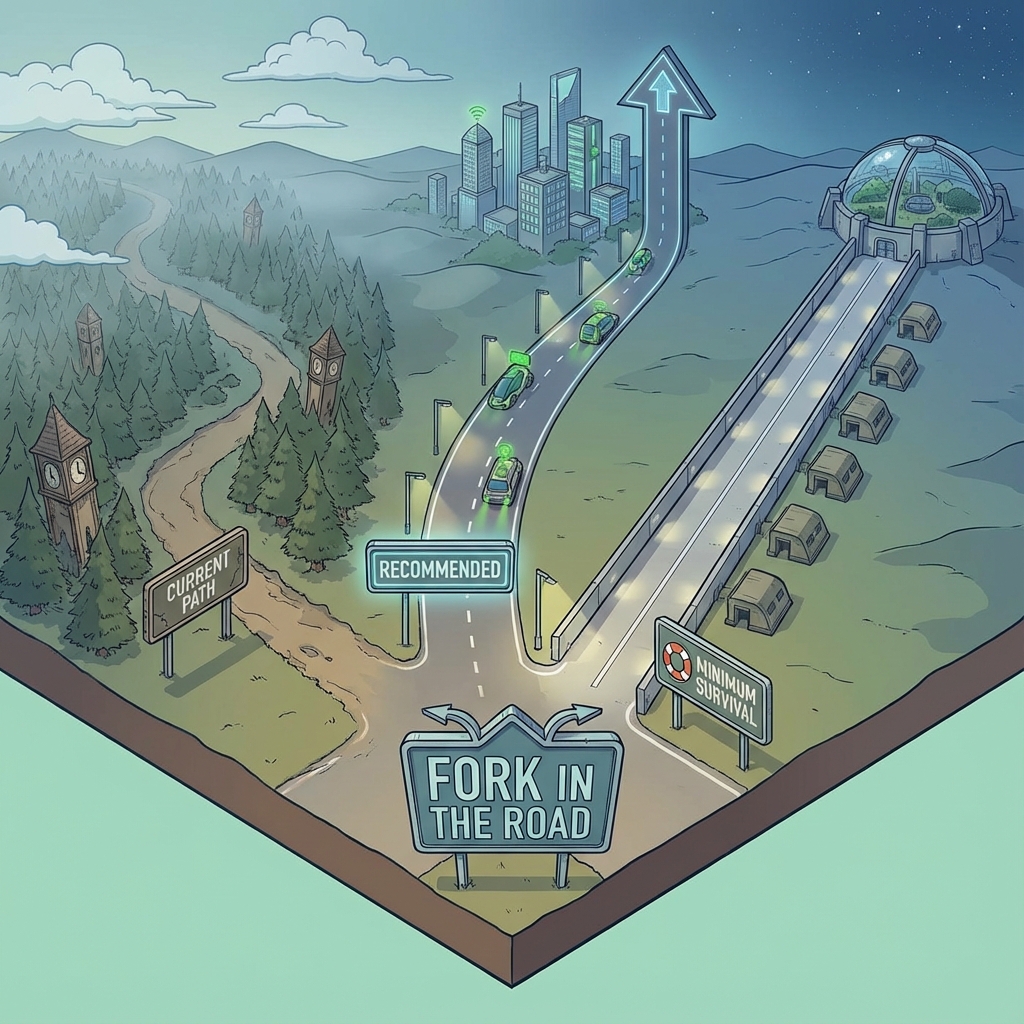
Stress Testing Is Better Than Worrying
Most people have asked some version of the same question: how long could I last if income dropped, a client paid late, or I had to cut spending quickly? The scary part is not the question itself. It is trying to answer it from memory.
Spending Scenarios turns that question into a forecast. Instead of guessing, you can compare what happens when you keep spending normally, trim flexible categories, or move into a temporary emergency budget.
The Three Useful Scenarios
A good scenario is not a fantasy budget. It should reflect decisions you could actually make if conditions changed. BillForecast works best when you compare three practical paths:
1. Current Path
This is the baseline. It uses the recurring bills, planned income, and normal spending patterns already represented in your account. If your current path is healthy, it gives you confidence. If it shows a shortfall, it tells you when the problem appears instead of surprising you later.
2. Reduced Spending
This path keeps essentials and important commitments while trimming flexible spending. Dining out, impulse purchases, subscriptions, upgrades, and lower-priority categories can be reduced without pretending life costs nothing. It is the version many households can sustain for a few months.
3. Survival Mode
Survival Mode is a temporary emergency view: housing, utilities, food, insurance, transportation, debt minimums, and required medical or family costs. It is not meant to be pleasant. It answers a specific question: how much runway do you have if the goal is simply to stay current and avoid new damage?
What to Look For
When you switch scenarios, pay attention to three numbers rather than the whole chart at once:
- Lowest projected balance: the point where cash pressure is highest.
- First shortfall date: the day a plan becomes unsafe.
- Runway gained: how many additional days or weeks the reduced scenario buys you.
If a small trim adds only a few days, the real issue may be income timing or a large fixed expense. If a reduced scenario adds several weeks, you have a clear action list if conditions change.
How to Build a Useful Scenario
- Start with accurate recurring items. Rent, mortgage, utilities, insurance, subscriptions, and income timing need to be in the forecast first.
- Separate fixed and flexible spending. Do not mix groceries with entertainment or debt minimums with optional extra payments.
- Use categories you can actually control. A scenario is only useful if the cuts are specific enough to act on.
- Re-run after major changes. New income, a new loan payment, or a large bill can change the answer immediately.
Using Scenarios Without Panic
The point is not to live in emergency mode forever. The point is to know your levers before you need them. If the current path is fine, scenarios can show how much room you have for goals. If the current path is tight, they show which changes actually move the date.
That clarity matters. A stress test turns vague anxiety into a plan: what to keep, what to pause, and how long the plan buys you.